Ocean and Sea Freight Shipping: Rates, Quotes, and Charges - TopAlpha Ocean Freight


When you start shipping freight in high volumes, you should think about ocean freight. Here are your directions on everything related to shipping by ocean, from picking the mode that's right for you to calculating transit times and costs.
Ocean Freight Meaning: What Is Ocean Freight?
Containerized ocean freight transportation involves moving goods by sea.
The most common means of transport used by importers and exporters is by ocean. In fact, 90% of everything is sent by sea and ocean freight. In contrast, the other modes of international freight transport (courier, regular air freight, express air freight) are not only slower, but also more expensive. Smaller shipments, and products with high values, are typically sent via these other modes.

Many freight forwarders now offer express shipping, particularly if ocean freight is too slow but air freight is too expensive. While less expensive than air freight, this service is often nearly as fast. We streamline ocean freight processes and only connect with faster services and premium trucking companies.
Why Ship By Sea?
ocean shipping company TopAlpha One container can hold up to ten thousand beer bottles! And ocean freight is cheaper. A shipment weighing more than 500 kg should not be sent by air freight. For light shipments, you can use this calculator to find out whether your shipment will be billed by actual weight or dimensional weight. Our FBX index shows live international shipping rates.
In addition to international law, national law, carrier organization regulations, and individual carrier regulations, all contribute to defining and restricting what goods are considered dangerous for transportation. In general, air cargo has more restrictions than ocean freight, including: gases (such as hydrogen and methane). lamp bulbs), all things flammable (e.g. Items that are toxic or corrosive (e.g., perfume, Samsung Galaxy Note 7). batteries), magnetic substances (e.g. Public health risks (e.g., speakers, oxidizers, chemical medicines) arise from drivers (e.g., air pollution). untanned hides). The Hazardous Material Table has more information.
Ocean freight emits much less CO2 than air freight. According to this research, when 2 tonnes are transported 5000 kilometers over water, it will emit 150 kg of CO2, while air freight will emit 6605 kg.
ocean freight
What Are The Downsides Of Ocean Freight?
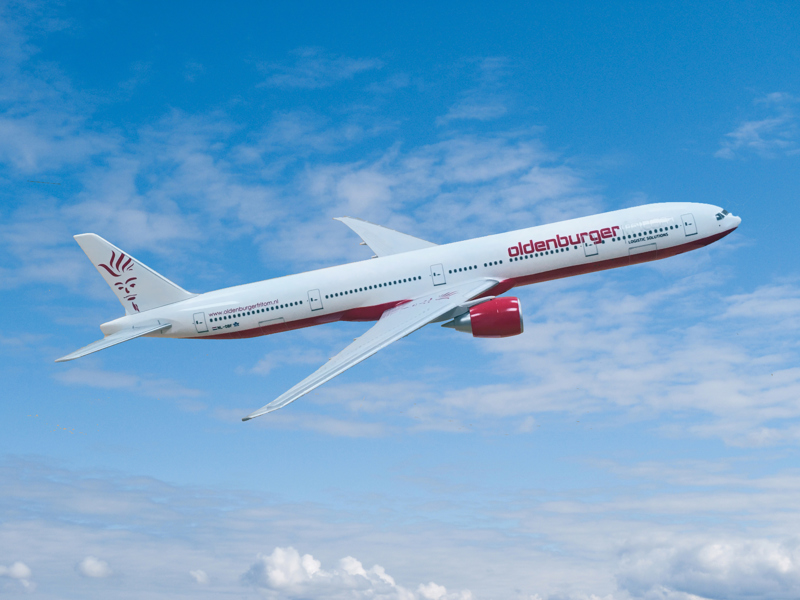
Compared to ocean liners, speed planes travel at about 30 times the speed. Airliners cruise at 575 mph, while ocean liners move at 16-18 mph. Therefore, it is not surprising that a shipment of goods traveling by air freight from China to the US usually takes at least 20 days longer.
Constraints such as port congestion, environmental concerns, and bad weather can delay ocean freight much more than air freight. Air freight tracking technology is typically more advanced than ocean freight tracking technology. This means ocean freight has a higher likelihood of getting lost compared to air freight. It is especially true when the shipment is less than a container load. Digitalization has, however, improved the reliability of ocean freight.
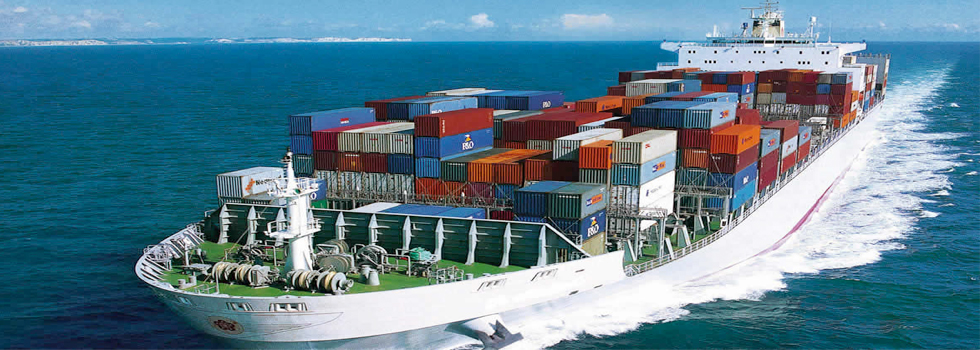
The risk of damage or destruction of ocean freight is higher than that of air freight. Because it is in transit for a lot longer, and because ships are subject to more movement. The cargo might fall off the ships, but do not be too concerned. Despite urban myths stating there are 10000 container losses annually, it is actually 546 of 120 million movements that fall in the drink. Even less likely is piracy. The Horn of Africa, the Gulf of Guinea, and the Malacca Straits have been hot spots in recent years.
Ocean Freight Services
Two further options under ocean and sea freight are a full container load (FCL) and a less than container load (LCL). A LCL container is used to pack several shipments together. This means more work for the forwarder, extra paperwork, as well as organizing the shipments into containers before their main transit and de-consolidating them at the other end. This gives LCL three disadvantages:
FCL shipments arrive more quickly than LCL shipments. LCL usually has to be extended by one or two weeks.
With LCL, there is a higher risk of damage, misplacement, and loss.
LCL costs more per cubic meter.
Shipping rates for FCL are usually lower, so you may want to use a full container once your shipment is large enough, even if your goods do not fill the container to the brim. About 15 cubic meters is the tipping point to upgrade from LCL to FCL (the smallest container size is a 20 footer).
Sea Freight Rates per kg
Except for particularly heavy items, LCL is typically priced per volume, not by weight.
For most products, use these guidelines when determining the most cost-effective mode of shipping:
Shipments over 500 kg are not economically feasible by air.
China-US shipments usually take 30-40 days, and ocean freight is around $2-$4 per kilogram.
Using air freight for a China-US shipment between 150 kg and 500 kg costs about $5-8 per kilo and can take 8-10 days.
A few days faster, but more expensive, is express air freight.
Express freight can be economically used for packages lighter than 150 kg.
These are the most common ocean and sea freight costs, rates, and charges included in your shipping quote:
You can expect to see these items on ocean freight quotes and invoices: